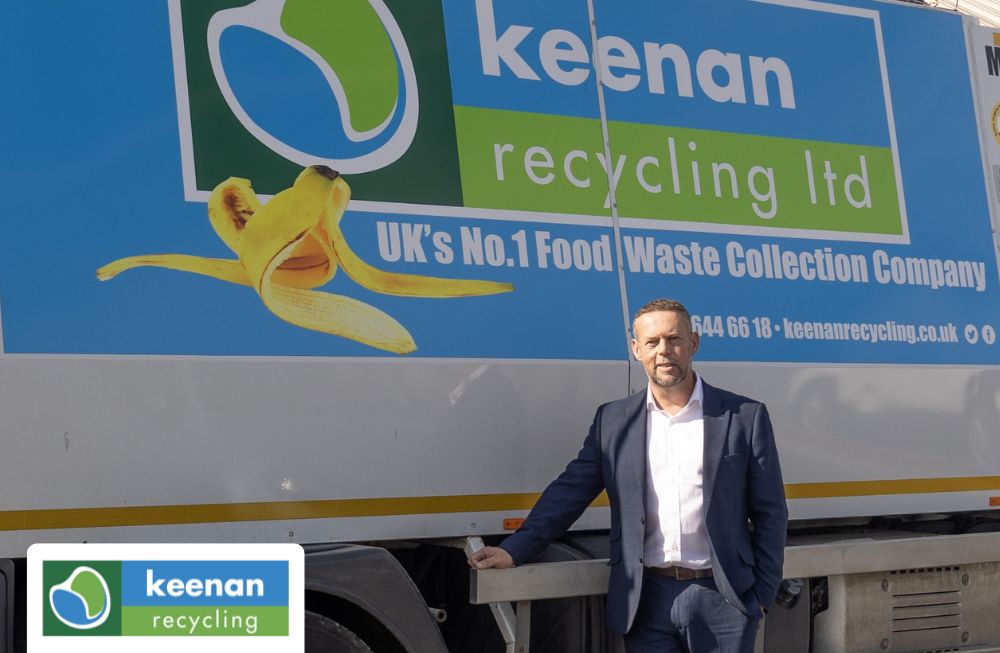
 IoH Business Partner Keenan Recycling is closely tracking the biggest reform to England’s waste system in a generation. From April 2026, the Government’s Simpler Recycling initiative will introduce a single national framework, replacing inconsistent local rules with clear, standardised requirements. For hospitality businesses, this is not just an environmental update; it is a legal and operational shift that demands early preparation.
According to Grant Keenan, Managing Director of Keenan Recycling, the biggest mistake organisations can make is waiting: “We are always here to help businesses comply,” he says. “But leaving it too late puts pressure on systems, resources, and ultimately the business itself.”
What Will Change?
From 2026, businesses must separate waste into four streams:
This ends the long-standing postcode lottery of recycling rules. However, it also introduces a clear legal responsibility for hospitality operators to comply.
The Cost of Non-Compliance
Businesses with 10 or more full-time employees will fall within scope, even if staff are spread across multiple sites. Responsibility may also extend to landlords and facilities managers.
Penalties can include:
This comes alongside a 20 per cent increase in landfill tax, now £126.15 per tonne, making poor waste practices increasingly expensive.
Food Waste, a Key Focus
Food waste separation is one of the most significant changes and one of the most relevant for the hospitality sector. Incorrect disposal can lead to fines, higher costs, and reputational damage.
The Countdown Has Started
Simpler Recycling is coming, and the consequences of inaction are real. Businesses that act now will reduce risk, control costs, and position themselves as leaders in sustainable operations.
Those who wait may find themselves scrambling.
Be part of our well-respected network, get trusted advice and take a positive approach to your learning and development.
Your business card may take a moment to be generated. You can save your business card by right clicking -> save image as, or holding down on the image on your phone.